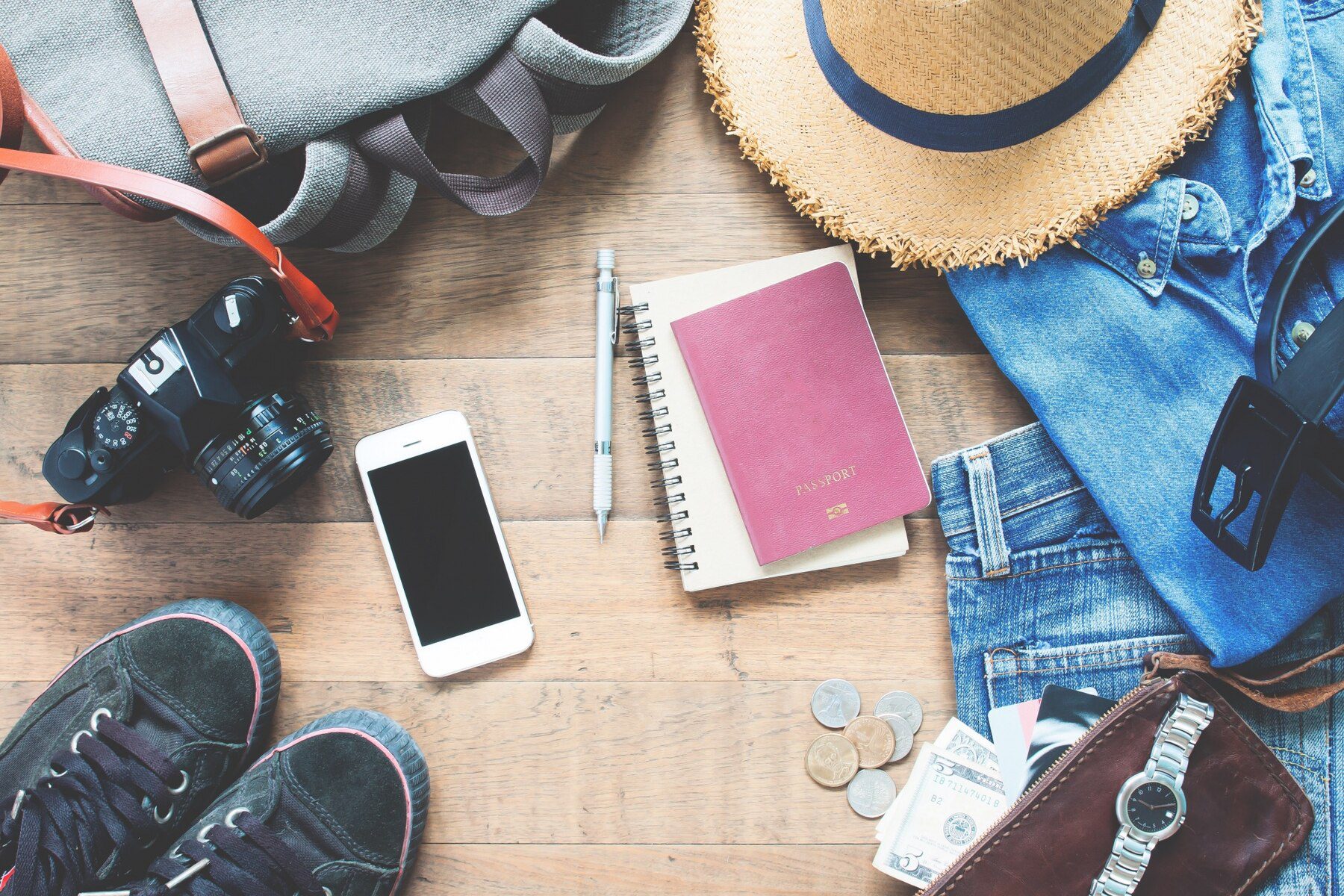
Traveling light is both an art and a science. It requires a thoughtful balance of preparation, prioritization, and practicality to ensure you have everything you need without being burdened by excess luggage. Whether you’re embarking on a weekend getaway or a month-long adventure, mastering the skill of packing light can enhance your travel experience by making it more convenient, efficient, and enjoyable.
In this guide, we’ll explore the do’s and don’ts of traveling light, dive into practical tips, and discuss the many benefits of this minimalist approach to packing.
Why Travel Light?
Before diving into the specifics, it’s important to understand the key benefits of traveling light:
- Ease of Movement: Carrying less means more freedom to move, whether you’re navigating a busy airport or climbing narrow stairs in a boutique hotel.
- Cost Efficiency: Avoid hefty baggage fees and spend that money on unique experiences or local souvenirs instead.
- Flexibility: With only a small bag, it’s easier to adapt to last-minute changes in plans or switch between transportation modes seamlessly.
- Stress Reduction: Simplified packing minimizes the risk of losing items or feeling overwhelmed by unnecessary belongings.
- Eco-Friendly: A smaller luggage footprint reduces waste, aligns with sustainable travel practices, and encourages mindful consumption.
Traveling light isn’t just about convenience—it’s about making your travel experience smoother, more enjoyable, and more meaningful.
The Do’s of Traveling Light
1. Do Plan Ahead
Planning is the cornerstone of efficient packing. Start with a detailed itinerary and research your destination’s weather, cultural norms, and activities.
Practical Tip: Use a customized packing list tailored to your trip’s specifics, such as climate, duration, and planned activities.
2. Do Choose the Right Luggage
Invest in lightweight, durable luggage that suits your travel style. A carry-on suitcase or a well-designed backpack is often ideal for light travel.
Pro Tip: Look for features like compartments, compression straps, and weather-resistant materials. Soft-sided bags offer flexibility, while hard-shell cases are great for protecting fragile items.
3. Do Pack Versatile Clothing
Select items that can serve multiple purposes. Neutral colors and interchangeable pieces maximize outfit combinations.
Examples: A scarf that doubles as an accessory or a blanket, and convertible pants that transform into shorts for varying climates.
4. Do Use Packing Cubes
Packing cubes are game-changers for organization and space-saving. Assign specific cubes for categories like tops, bottoms, and undergarments.
Extra Tip: Use vacuum-sealed bags for bulkier items like jackets.
5. Do Embrace Minimalism
Adopt a minimalist mindset by focusing on essentials. Resist the urge to pack for every “just in case” scenario.
Mindset Tip: Ask yourself, “Do I genuinely need this, or can I manage without it?”
6. Do Pack Multi-Use Products
Choose items with multiple functions to maximize utility while saving space.
- Toiletries: A solid shampoo bar that doubles as soap.
- Clothing: A lightweight jacket with plenty of pockets for travel essentials.
- Tech: A power bank with a built-in flashlight.
7. Do Roll Your Clothes
Rolling clothes not only saves space but also minimizes wrinkles. This technique works particularly well for casual wear like t-shirts and jeans.
8. Do Pack Travel-Sized Toiletries
Stick to TSA-approved travel-sized containers for liquids. Opt for reusable silicone bottles to reduce plastic waste.
Eco Tip: Explore solid alternatives, like deodorant bars and toothpaste tablets, to cut down on packaging.
9. Do Prioritize Comfort and Practicality
Comfortable walking shoes, breathable fabrics, and weather-appropriate clothing should always take precedence over trends or bulkier fashion items.
10. Do Leave Room for Souvenirs
Allow extra space in your luggage for mementos.
Tip: A collapsible tote bag is perfect for carrying additional items on your return journey.

The Don’ts of Traveling Light
1. Don’t Overpack “Just in Case” Items
Packing for every possible contingency is a common mistake. Many non-essential items can be purchased at your destination if needed.
2. Don’t Bring Too Many Shoes
Shoes take up significant space. Limit yourself to three pairs at most: walking shoes, a versatile pair for dressier occasions, and lightweight sandals.
3. Don’t Ignore Weight Limits
Even if your bag meets size restrictions, exceeding weight limits can lead to costly fees.
Tip: Use a digital luggage scale to weigh your bag before heading to the airport.
4. Don’t Pack Duplicates
Avoid packing multiple items that serve the same purpose.
Example: Instead of bringing five black t-shirts, stick to two and add variety with accessories.
5. Don’t Forget About Laundry
For extended trips, plan to do laundry instead of overpacking.
Pro Tip: Quick-drying fabrics and a small detergent pack make on-the-go laundry easier.
6. Don’t Bring Unnecessary Gadgets
Stick to multifunctional devices. A smartphone, for instance, can serve as a camera, GPS, and entertainment hub.
7. Don’t Neglect Local Customs
Research cultural norms to pack appropriate clothing and avoid awkward situations.
Example: In conservative countries, clothing that covers shoulders and knees may be required.
8. Don’t Forget Essential Documents
While trying to pack light, never compromise on crucial items like passports, insurance, and emergency contacts.
9. Don’t Underestimate the Importance of a Personal Item
Use your personal item wisely by packing travel essentials like snacks, electronics, and hygiene products.
10. Don’t Ignore Weather Forecasts
Packing without checking the weather can lead to unnecessary items or a lack of suitable clothing.

Advanced Tips for Packing Light
For those who have mastered the basics, here are some advanced strategies to refine your light-packing game:
1. Adopt a Capsule Wardrobe
A capsule wardrobe is a minimalist collection of clothing where every item can be mixed and matched. This concept is ideal for travelers aiming to pack light without sacrificing style.
How to Create a Capsule Wardrobe for Travel:
- Stick to a Color Palette: Choose 2-3 base colors (like black, navy, or gray) and complement them with a few accent colors.
- Focus on Layers: Include items like lightweight cardigans, jackets, or scarves to adapt to various weather conditions.
- Select Multi-Functional Pieces: For example, a casual dress can double as beachwear or evening attire.
2. Master the Art of Compression
Use compression bags or vacuum-sealed pouches for bulky items like jackets and sweaters. These tools reduce the volume of your clothing, leaving more space in your bag.
Pro Tip: Be cautious with weight. Compression makes items smaller but doesn’t reduce their weight.
3. Travel-Friendly Fabrics
Choose fabrics that are lightweight, wrinkle-resistant, and quick-drying.
Top Fabrics for Travel:
- Merino Wool: Naturally odor-resistant and temperature-regulating, making it ideal for both hot and cold climates.
- Nylon and Polyester: Durable, moisture-wicking, and great for active wear.
- Linen Blends: A breathable option for warm destinations.
4. Learn to Layer Effectively
Instead of packing a single bulky jacket, layer multiple lightweight pieces. This approach provides flexibility for fluctuating temperatures.
Example Layering Strategy:
- Base Layer: A moisture-wicking t-shirt or thermal top.
- Middle Layer: A fleece or sweater for warmth.
- Outer Layer: A waterproof shell or windbreaker for protection.
5. Opt for Convertible Items
Travel-specific gear often includes convertible options, such as:
- Zip-Off Pants: Transform into shorts for varied climates.
- Reversible Clothing: Offers two style options in one piece.
- Travel Towels: Compact, lightweight, and quick-drying.
6. Leverage Digital Tools
Digitize as much as possible to reduce physical clutter.
Examples:
- E-books or audiobooks instead of paperbacks.
- Digital maps and guides to replace printed materials.
- Apps like Google Translate, currency converters, and itinerary planners for convenience.
Common Myths About Packing Light
Despite its benefits, some travelers hesitate to pack light due to misconceptions. Let’s debunk a few common myths:
Myth 1: “Packing light means sacrificing essentials.”
Reality: Traveling light is about prioritizing, not compromising. By planning ahead and choosing versatile items, you can meet all your needs without overpacking.
Myth 2: “I need to pack for every possible scenario.”
Reality: Most destinations have stores where you can buy anything you might unexpectedly need. It’s better to pack minimally and adjust on the go.
Myth 3: “Traveling light is only for short trips.”
Reality: Even on extended trips, packing light is achievable by incorporating laundry and reusing items creatively.
Cultural Considerations When Traveling Light
1. Dress Respectfully
Research the cultural norms of your destination to ensure your wardrobe is appropriate. For example:
- Modesty: In some Middle Eastern countries, covering your shoulders and knees is customary.
- Religious Sites: Many require specific attire, such as headscarves or covered legs.
2. Blend In
Avoid drawing unnecessary attention by dressing like a local. This not only enhances safety but also enriches your cultural experience.
Health and Safety Tips for Packing Light
1. Keep Essentials Accessible
Store important items like medications, a first aid kit, and travel insurance documents in your carry-on or personal bag.
2. Hydration is Key
A collapsible water bottle is lightweight, eco-friendly, and essential for staying hydrated during your travels.
3. Emergency Kit
Pack a compact emergency kit with items like a flashlight, multi-tool, and extra phone charger.
Packing Light for Different Types of Travelers
1. Business Travelers
For work trips, opt for professional yet versatile clothing.
- Key Items: Wrinkle-free shirts, tailored trousers, and a blazer.
- Pro Tip: A leather backpack or sleek carry-on doubles as a briefcase.
2. Adventure Seekers
Outdoor enthusiasts can pack light by focusing on multi-functional gear.
- Key Items: Quick-dry clothing, a compact sleeping bag, and a portable stove.
- Pro Tip: Consider renting bulky equipment like tents or hiking gear at your destination.
3. Family Travellers
Traveling light as a family requires strategic planning.
- Key Items: Pack shared toiletries and minimize duplicates.
- Pro Tip: Assign each family member a packing cube for organization.
Packing Light for Different Seasons
1. Winter Travel
- Layer Wisely: Thermal layers, lightweight down jackets, and weatherproof boots are essential.
- Accessories: A warm hat, gloves, and a scarf can make a big difference without taking up much space.
2. Summer Travel
- Breathable Fabrics: Linen, cotton, and moisture-wicking materials are perfect for warm climates.
- Accessories: Pack a wide-brimmed hat and sunglasses for sun protection.
The Emotional Benefits of Traveling Light
Packing light doesn’t just ease physical burdens—it also offers mental and emotional benefits:
- Freedom: The fewer belongings you carry, the freer you feel to explore.
- Mindfulness: Focusing on essentials cultivates gratitude and a minimalist mindset.
- Flexibility: Less luggage allows for spontaneous decisions and easier mobility.
Environmental Impact of Traveling Light
Traveling light aligns with sustainable practices. By reducing your baggage, you:
- Minimize Fuel Usage: Lighter bags reduce the overall weight on planes, buses, and cars, leading to lower fuel consumption.
- Cut Down on Waste: Using reusable items like silicone bottles and collapsible containers reduces plastic waste.
- Encourage Conscious Consumerism: Packing only what you need discourages overconsumption and promotes mindful choices.
Packing Light: A Lifelong Skill
Traveling light is more than just a one-time packing strategy—it’s a skill that evolves over time. With practice, you’ll discover new ways to streamline your packing process and focus on what truly matters during your journey.
Start small by applying a few of these tips on your next trip. Over time, you’ll find yourself naturally gravitating toward a minimalist travel approach that enhances your travel experiences.
Pro Tips for Traveling Light
- Layer Up: Replace bulky sweaters with lightweight, breathable layers.
- Digital Over Physical: Store maps, itineraries, and tickets on your phone to avoid carrying excess paperwork.
- Start Early: Packing last-minute increases the likelihood of overpacking.
The Benefits of Traveling Light
- Less Physical Strain: Easier navigation and faster transitions.
- More Time: Skip the baggage claim and head straight to your destination.
- Eco-Friendly Choices: Smaller luggage equals reduced carbon emissions.
- Better Experiences: Less time worrying about luggage means more time to enjoy your trip.
Final Thoughts
Traveling light is a skill that grows with practice. By embracing minimalism, planning ahead, and using these do’s and don’ts, you’ll not only reduce stress but also enhance the joy of exploration. The freedom and flexibility of traveling light allow you to focus on what truly matters: the experiences, memories, and connections you make along the way.